Who Is This For?
What Is Adult Congenital Heart Disease (ACHD)?
Children with heart disease—including those born with congenital heart defects—will eventually grow into adults. While congenital heart defects are estimated to affect about 1% of all newborns, medical advances have been remarkable. Thanks to improvements in pediatric medical technology, more than 90% of children born with complex congenital heart defects now reach adulthood. The condition these children with heart disease experience after reaching adulthood is referred to as “adult congenital heart disease (ACHD).” It is estimated that there are currently nearly 600,000 adults with ACHD in Japan, and this number is increasing by 10,000 each year. Even before reaching adulthood, many individuals experience anxiety during adolescence regarding school life, further education, and employment; consequently, in recent years, it has become increasingly common to address ACHD from an earlier stage, starting with the AYA (adolescent and young adult) generation.Among patients with adult congenital heart disease, some were not diagnosed during childhood and therefore missed out on treatment; they are often diagnosed in old age after developing complications such as valvular heart disease, heart failure, or arrhythmias. Furthermore, even after undergoing surgical treatment at pediatric medical centers during childhood, some patients may develop problems with their heart valves or blood vessels as they grow and age, leading to restrictions on activities that place a strain on the heart—such as exercise, employment, pregnancy, and childbirth. For these patients, the anatomy and function of the heart are complex, and it is by no means uncommon for them to require diagnosis or reoperation at specialized hospitals.
Patients with congenital heart disease in adulthood are born with complex anatomical structures and may undergo multiple corrective surgeries. Decades later, problems with cardiac function, valves, and blood vessels accumulate. At the same time, the history of cardiac surgery is still relatively short; therefore, it is no exaggeration to say that each patient faces unique challenges. More than a decade has passed since the lack of adequate care for these patients was first highlighted, and thanks to the efforts of physicians and patient advocacy groups, a system is gradually taking shape in Japan that allows patients to receive care at specialized facilities. However, as mentioned above, due to the complex anatomy and cardiovascular function involved, the number of facilities capable of providing detailed diagnostics and surgical treatment remains extremely limited.
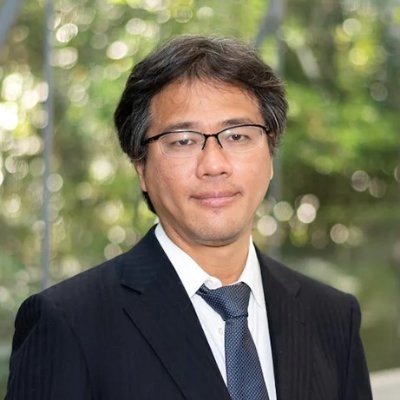
Dr. Itatani is a cardiac surgeon who has been among the first in Japan to focus on surgical treatment for ACHD. In the past, he established Adult Congenital Heart Disease Centers in several government-designated cities and has dedicated himself to addressing both the surgical and hemodynamic challenges associated with these conditions. He has now joined the Department of Cardiovascular Surgery at Juntendo University to build a larger and more comprehensive support system for patients. To open his doors to even more patients, he has decided to launch an online consultation service.
This program is intended for people like this
1. Patients who were diagnosed and treated primarily during childhood
- Patients who have undergone surgery for conditions such as Tetralogy of Fallot or dextrocardiac great vessels
- Patients who have been told they underwent pulmonary valve surgery as a child
- Patients who have been told they have a hole in their heart
- Patients with congenital heart valve disease who have received treatment
- Patients diagnosed with transposition of the great arteries who have undergone surgery or been under follow-up observation
- Patients diagnosed with single ventricle syndrome who have received treatment or are being evaluated for treatment
- Patients with cyanosis associated with congenital heart disease
- Patients who have undergone repeated treatments, such as for collateral vessels, following treatment for congenital heart disease
- Patients who developed arrhythmias following treatment for congenital heart disease and underwent pacemaker implantation
- Patients who had Kawasaki disease during childhood (may have coronary aneurysms or stenosis)
- Patients with congenital or hereditary cardiomyopathies (such as dilated cardiomyopathy or obstructive hypertrophic cardiomyopathy)
2. Patients who were diagnosed with a congenital heart defect for the first time in adulthood
- Untreated atrial septal defect. May be associated with atrial arrhythmias, pulmonary hypertension, valvular heart disease, or arrhythmias.
- Untreated ventricular septal defect. May be associated with pulmonary hypertension or valvular heart disease.
- Untreated atrioventricular septal defect. May be associated with pulmonary hypertension or valvular heart disease.
- Untreated patent ductus arteriosus. May be accompanied by pulmonary hypertension, among other conditions.
- Untreated partial pulmonary venous return. May be accompanied by pulmonary hypertension or valvular heart disease.
- Epstein’s disease. May be accompanied by right heart failure, among other conditions.
- Myocardial diseases such as Wool’s disease. May be accompanied by heart failure.
- Untreated aortic arch stenosis. May be accompanied by cerebral aneurysms or left ventricular hypertrophy, among other conditions.
Dr. Itatani’s track record with reoperations and his cutting-edge research on blood flow analysis are described in detail on the pages titled “For Patients and Families” and “For Attending Physicians.”